Potholes rarely appear without warning. In many cases, an asphalt surface will show earlier signs of deterioration such as cracking, aggregate loss, depressions or drainage problems before sections of the pavement begin breaking away. Recognising these warning signs creates an opportunity to restore the surface before potholes develop.
For property owners and businesses in Albury, VIC, taking action during the early stages of asphalt deterioration can help preserve more of the existing pavement and maintain a smoother, more reliable surface. At Albury Road Tech, we assess asphalt and bitumen surfaces to determine whether maintenance, targeted repairs or resurfacing can address deterioration before it progresses further.
How Does a Pothole Begin?
A pothole is usually the result of progressive pavement deterioration rather than a single event. The process often begins when the asphalt develops a crack or another weak point.
Water can then enter the pavement and affect the supporting materials underneath. As the base loses stability, repeated vehicle loading places increasing stress on the asphalt above. Eventually, pieces of pavement loosen and break away.
The progression can involve:
- Initial surface cracking or wear
- Moisture entering vulnerable areas
- Weakening beneath the asphalt
- Movement under vehicle loads
- Breakdown of the surface
- Formation of a pothole
Intervening before the final stages can help prevent a relatively small defect from becoming a more disruptive pavement problem.
Cracks Should Be Assessed Early
Cracking is one of the most useful early warning signs to watch for. A minor crack does not automatically indicate serious pavement failure, but leaving cracks open can give water easier access to the structure underneath.
Particular attention should be given to:
- Cracks that are becoming wider
- Several cracks developing close together
- Cracks around depressions
- Deterioration along pavement edges
- Previously repaired cracks that are returning
Where the surrounding pavement remains stable, early crack treatment may help slow further deterioration.
Surface Wear Can Also Signal Trouble
Not every pothole starts with an obvious large crack. Asphalt can gradually lose surface quality as it ages and experiences regular traffic.
Loose aggregate, crumbling areas or changes in surface texture can indicate that the pavement is becoming more vulnerable.
Addressing worn areas before pieces of asphalt begin separating can help maintain the integrity of the existing surface.
Water Management Is Essential
Water is a major factor in the progression from minor asphalt damage to pothole formation. Even a durable surface can deteriorate more quickly when moisture repeatedly enters cracks or collects in depressions.
Signs of drainage-related problems include:
- Water remaining on the pavement after rain
- Puddles repeatedly forming in the same places
- Damp or deteriorating pavement edges
- Cracking concentrated around low areas
- Depressions becoming progressively deeper
Restoring damaged asphalt without considering drainage can leave one of the main causes of deterioration unresolved.
Depressions and Rutting Should Not Be Ignored
An asphalt surface does not need to contain a pothole to have a structural problem. Sunken areas and wheel-path rutting can indicate that the pavement has begun deforming.
Depressions are particularly important because they can collect water, placing additional pressure on an already vulnerable section.
Why Does Asphalt Begin to Sink?
Surface deformation can have several causes, including:
- Movement in the supporting base
- Inadequate pavement support
- Repeated vehicle loading
- Moisture beneath the surface
- Localised settlement
If the underlying structure has become unstable, simply treating the upper surface may not be enough. The cause of the movement should be identified first.
Can Localised Repairs Prevent Potholes?
Where deterioration is confined to a relatively small area, targeted repairs can sometimes restore the pavement before a pothole develops.
The appropriate work depends on the condition of the asphalt and the supporting layers. A professional repair may involve removing failed material, preparing the damaged section and restoring a stable, compacted surface.
Early intervention can help:
- Limit water penetration
- Prevent damaged areas from expanding
- Protect surrounding asphalt
- Restore smoother vehicle movement
- Reduce the likelihood of localised failure progressing
The key is repairing the cause and extent of the deterioration rather than simply covering visible symptoms.
When Is Asphalt Resurfacing Worth Considering?
When deterioration is no longer limited to a few isolated areas, resurfacing may provide a more suitable way to restore the pavement.
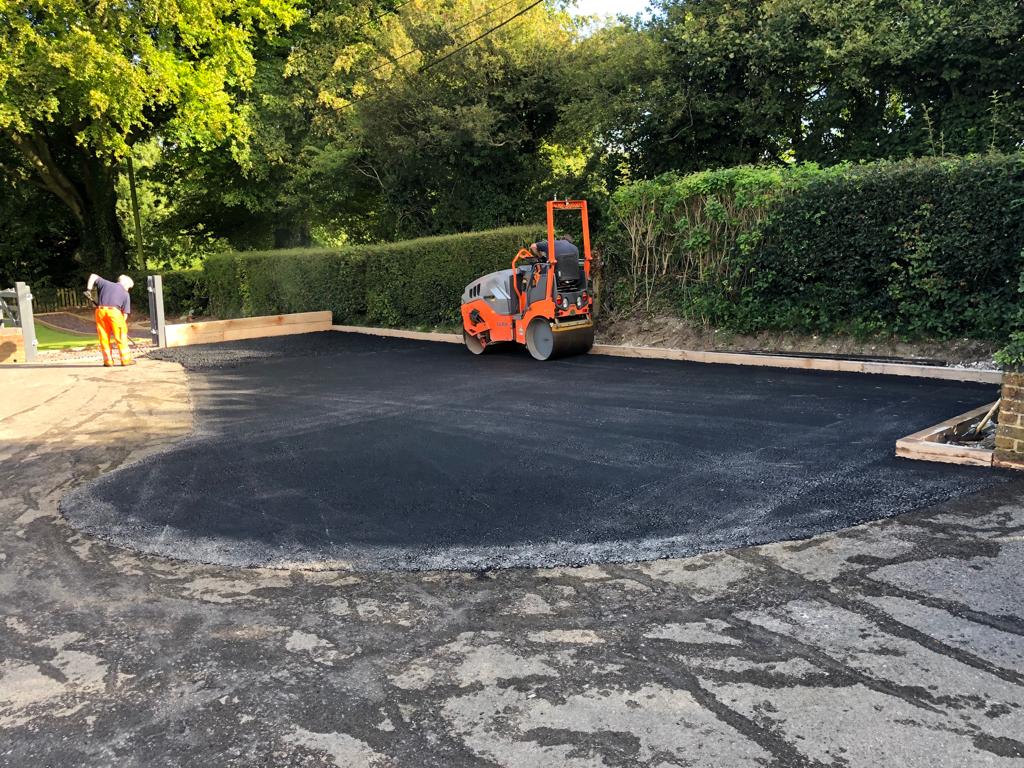
Asphalt resurfacing involves installing a new surface layer over a suitably prepared existing pavement. It can restore surface consistency and extend the useful life of an area where the underlying structure remains serviceable.
Resurfacing may be considered when there is:
- General surface ageing
- Widespread minor cracking
- Loss of surface texture
- Numerous small damaged areas
- An increasingly rough or uneven finish
Before resurfacing, however, significant defects should be identified and addressed so they do not simply affect the new layer.
When Is Resurfacing Not Enough?
A new asphalt layer cannot permanently correct substantial movement or instability underneath it.
If the pavement contains severe settlement, extensive structural cracking or widespread base failure, affected sections may require more substantial preparation or reconstruction before resurfacing.
This is why early assessment is valuable. Acting while the pavement remains structurally serviceable can provide more opportunities to restore the existing surface.
Don’t Wait for a Pothole to Confirm There Is a Problem
A common mistake is waiting until a pothole develops before arranging pavement maintenance. By that stage, deterioration may already have reached the supporting layers.
Instead, property owners should monitor asphalt for changes such as:
- Developing cracks
- Loose or crumbling material
- Small depressions
- Uneven wheel paths
- Standing water
- Edge deterioration
These symptoms can provide an earlier indication that the pavement requires attention.
Preventative Maintenance Protects More of the Existing Surface
The purpose of early asphalt maintenance is not to carry out unnecessary work. It is to address genuine deterioration while as much of the pavement as possible remains in sound condition.
Regular inspection and timely repairs can help prevent localised defects from spreading under continued traffic and weather exposure.
For driveways, access roads, hardstands and commercial surfaces in Albury, VIC, this proactive approach can contribute to smoother access and more dependable long-term pavement performance.
Why Professional Assessment Matters
Different forms of asphalt damage can look similar from the surface while having very different underlying causes. Effective restoration therefore begins with understanding why deterioration has developed.
At Albury Road Tech, we assess asphalt and bitumen surfaces in Albury, VIC, with consideration for cracking, drainage, pavement movement, traffic demands and the condition of the supporting structure. This allows us to determine whether targeted repairs, resurfacing or more substantial preparation is appropriate.
Conclusion
Damaged asphalt can often be addressed before potholes develop, particularly when early warning signs are recognised and the pavement underneath remains stable. Cracking, surface wear, depressions, drainage problems and edge deterioration should all be treated as reasons to monitor the surface more closely.
Taking action early can help reduce water penetration, protect surrounding pavement and prevent minor deterioration from progressing into larger areas of failure.
If your asphalt surface in Albury, VIC, is beginning to show signs of wear but has not yet developed significant potholes, contact Albury Road Tech for a professional assessment. We can determine the condition of the pavement and recommend an appropriate asphalt or bitumen resurfacing solution based on what the surface actually requires.
Call us on: 02 6058 1088
Click here to find out more about Albury Road Tech
Click here to complete our contact form and see how we can help with your road needs.