Commercial hardstands are expected to withstand constant use, support heavy vehicles and machinery, and provide reliable access throughout the year. Whether they are used for transport operations, equipment storage, loading areas or industrial facilities, the surface must be built to handle demanding conditions without compromising safety or performance.
Choosing the right surface is one of the most important decisions in any hardstand project. At Albury Road Tech, we provide professional asphalt and bitumen surfacing services throughout Albury, VIC, designing hardstands that are built to meet the specific operational requirements of each site.
What Is a Commercial Hardstand?
A commercial hardstand is a purpose-built paved area designed to support frequent vehicle movements, heavy loads and daily operational activities.
Hardstands are commonly used for:
- Warehouses
- Transport depots
- Industrial facilities
- Commercial yards
- Equipment storage
- Loading and unloading areas
- Fleet parking
Unlike standard driveways, commercial hardstands must be engineered to cope with greater weight, higher traffic volumes and more demanding working conditions.
Why Asphalt Is a Popular Choice
Asphalt remains one of the most reliable surfacing materials for commercial hardstands because it combines strength, flexibility and long-term performance.
Professionally constructed asphalt hardstands offer several advantages, including:
- Smooth vehicle access
- Strong load-bearing capability
- Excellent durability
- Reliable performance under frequent traffic
- A professional appearance
When installed on a properly prepared foundation, asphalt provides a dependable surface for a wide range of commercial applications.
The Importance of a Strong Foundation
The surface itself is only one part of a successful hardstand. The underlying foundation plays an equally important role in determining how well the pavement performs over time.
A quality foundation helps to:
- Distribute heavy vehicle loads evenly
- Minimise settlement
- Reduce surface movement
- Improve structural stability
- Extend pavement life
Without proper site preparation and base construction, even the best asphalt surface can deteriorate prematurely.
Designing for Heavy Vehicle Traffic
Commercial hardstands often support delivery vehicles, trucks, forklifts and specialised machinery on a daily basis.
These loads create significant stress on the pavement, particularly in areas where vehicles frequently stop, turn or accelerate.
Professional hardstand construction considers:
- Expected vehicle weights
- Traffic frequency
- Turning movements
- Operational requirements
- Future usage
Designing the pavement around these factors helps ensure long-term performance.
Drainage Is Essential
Effective drainage is critical for maintaining the integrity of a commercial hardstand.
Standing water can gradually weaken the pavement structure by allowing moisture to penetrate beneath the asphalt. Over time, this may contribute to cracking, settlement and surface deterioration.
A professionally designed hardstand includes appropriate grading and drainage systems that help move water away from the pavement, protecting both the surface and the supporting foundation.
Durability Supports Everyday Operations
Commercial properties rely on dependable access every day.
A professionally constructed asphalt hardstand provides:
- Reliable vehicle movement
- Stable working areas
- Consistent performance
- Reduced surface disruption
- Improved operational efficiency
By maintaining a durable surface, businesses can continue their daily activities with confidence.
Easy Maintenance Helps Preserve Performance
Like any paved surface, commercial hardstands benefit from routine maintenance.
Regular inspections allow early signs of wear to be identified before they develop into larger structural problems.
Common maintenance activities include:
- Repairing minor cracks
- Addressing isolated surface damage
- Monitoring drainage performance
- Maintaining pavement edges
- Planning resurfacing when appropriate
A proactive maintenance approach helps maximise the service life of the hardstand.
Matching the Surface to the Application
Every commercial property has different operational needs.
Factors that influence hardstand design include:
- Type of business
- Frequency of vehicle movements
- Vehicle sizes
- Equipment used on site
- Ground conditions
- Future expansion plans
Rather than applying the same solution to every project, professional contractors tailor the pavement structure to suit the intended use of the site.
Why Professional Construction Makes the Difference
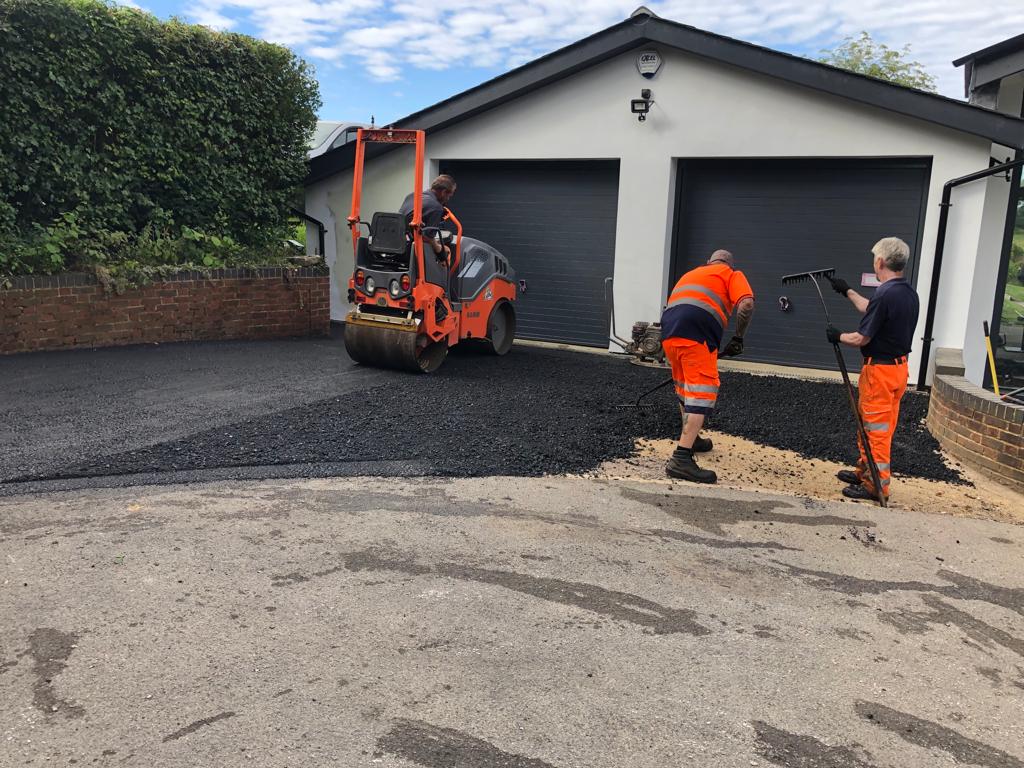
Building a commercial hardstand involves far more than laying asphalt. Every stage of the project, from site preparation and foundation construction through to asphalt placement and compaction, contributes to the finished result.
At Albury Road Tech, we carefully assess each project to ensure every commercial hardstand is designed to deliver dependable performance throughout Albury, VIC. Our focus on quality workmanship and thorough preparation helps create asphalt and bitumen surfaces that continue to perform under demanding conditions.
Conclusion
The best surface for a commercial hardstand is one that combines durable asphalt with a properly engineered foundation, effective drainage and a design that reflects the property’s operational requirements. A professionally constructed hardstand delivers reliable performance, supports heavy vehicle traffic and provides long-term functionality for a wide range of commercial applications.
For businesses and property owners in Albury, VIC, Albury Road Tech provides expert asphalt and bitumen surfacing solutions tailored to the unique demands of every commercial hardstand project. If you are planning a new hardstand or upgrading an existing surface, our experienced team can provide practical advice and quality workmanship to deliver a durable, reliable and long-lasting result.
Call us on: 02 6058 1088
Click here to find out more about Albury Road Tech
Click here to complete our contact form and see how we can help with your road needs.